
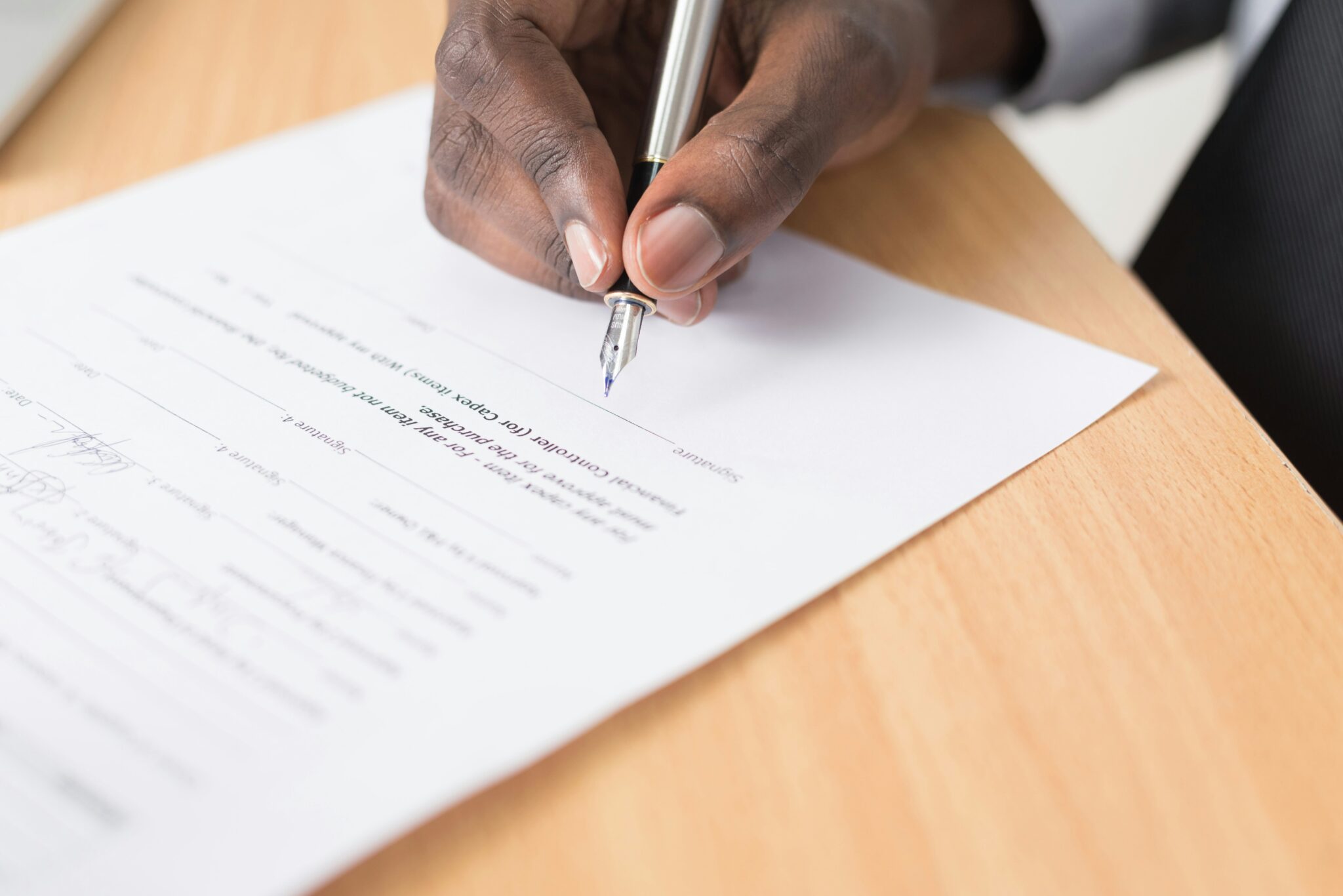

For many foreign nationals with personal, family, or professional ties to Poland, vital records are more than formal certificates kept in an archive. A birth, marriage, divorce, or death record can determine whether a person is able to confirm identity, claim inheritance, register a child, apply for citizenship, or resolve a family matter across borders. When these events took place outside Poland, or when foreign documents must be used before Polish authorities, registration in the Polish civil registry often becomes a practical necessity. The process can feel technical and emotionally demanding, especially when it involves family history, migration, bereavement, or long-standing questions about nationality.
Poland’s civil status system is based on official records maintained by the Civil Registry Office, known in Polish as Urząd Stanu Cywilnego. These records form the legal foundation for confirming key life events and personal status. For Polish citizens, the system operates relatively automatically when events occur in Poland. For foreign nationals, descendants of Polish citizens, mixed-nationality families, and people seeking to regularise their legal situation in Poland, the path is often less straightforward.
What Are Vital Records in Poland?
Vital records are official documents confirming the most important events in a person’s legal life. In Poland, the main types include:
- Birth records confirming the date and place of birth, parents’ details, and the child’s identity.
- Marriage records confirming that a marriage has been legally concluded.
- Death records confirming a person’s death and allowing further legal steps, such as inheritance proceedings.
- Divorce or annulment annotations, which may be added to marriage records after recognition of a foreign judgment or Polish court decision.
- Name change records or annotations, where a person’s legal name has been changed and must be reflected in official documentation.
In the Polish system, these records are not merely administrative references. They are often treated as primary legal evidence of a person’s civil status. This means that when a foreign national needs to prove a family relationship, marital status, or entitlement based on ancestry, Polish authorities may require the relevant event to be reflected in Polish civil registry records.
Why Foreign Nationals May Need Polish Registration
Foreign nationals may need to register vital records in Poland for a variety of reasons. Some are connected with everyday practical matters, while others concern more complex legal processes. A person born abroad to Polish parents, for example, may need their foreign birth certificate transcribed into the Polish registry before applying for a Polish passport. A widow living outside Poland may need a Polish death record of her spouse to proceed with inheritance matters involving property in Poland. A couple married abroad may need their marriage registered in Poland before addressing residence, citizenship, taxation, or family law matters.
One of the most common reasons is confirmation or acquisition of Polish citizenship. People with Polish ancestry often discover that documenting lineage requires more than collecting family stories or historical records. Authorities typically need a consistent chain of civil status documents showing births, marriages, name changes, and sometimes deaths across generations. Even if the person was born in another country and has never lived in Poland, their foreign records may need to be entered into the Polish system to support a citizenship-related procedure.
Another important reason is family organisation. In cross-border families, documents issued in one country are often needed in another. Polish institutions may not be able to rely on a foreign certificate in its original form, especially if it does not meet formal requirements, lacks an apostille, has not been translated by a sworn translator, or contains data that does not align with Polish records. Registration helps create a Polish official version that can be used consistently before public authorities.
Transcription: Entering Foreign Records into the Polish System
The process most often associated with foreign vital records is called transcription. In Polish practice, transcription means transferring the contents of a foreign civil status certificate into the Polish civil registry. It does not create a new life event; rather, it records in Poland an event that has already occurred abroad.
For example, if a person was born in Canada, the United Kingdom, Australia, or the United States to a Polish parent, their birth certificate may be transcribed into the Polish register. Once this is done, the person can obtain a Polish birth certificate. This may then be used in further administrative procedures, including passport applications, citizenship confirmation, marriage registration, or other family-related matters.
Successful transcription usually requires careful preparation. Foreign certificates may need to be:
- issued in a full or long-form version, not a shortened extract;
- legalised or provided with an apostille, depending on the issuing country;
- translated into Polish by a sworn translator or Polish consul;
- consistent with other Polish and foreign documents already on file;
- free from omissions that could prevent proper registration.
Small discrepancies can become significant. A parent’s middle name missing from one document, a surname spelled differently after immigration, or a place of birth translated inconsistently may lead to questions from the Civil Registry Office. These matters are often solvable, but they require attention and sometimes additional evidence.
Legal Implications of Registered Vital Records
Registering vital records in Poland can have far-reaching legal consequences. It may affect citizenship, inheritance, family rights, marital status, and access to official documents. In some cases, it may be impossible to complete another procedure until the underlying civil status records are corrected or transcribed.
For people applying for confirmation of Polish citizenship, civil records are often the backbone of the case. A citizenship file may depend on proving that a parent, grandparent, or great-grandparent was a Polish citizen, and that citizenship was transmitted through the family line. This frequently requires birth and marriage records showing legal relationships between generations. When documents are missing, inconsistent, or not registered in Poland, the process can become longer and more complex.
In practice, foreign nationals often consult specialists when a case involves several jurisdictions, old family documents, or uncertainty about names and dates, and resources such as Polish citizenship services can help people understand how vital records registration fits into wider citizenship or administrative procedures. This is particularly relevant where documents from different countries must be aligned with Polish legal requirements, rather than simply translated and submitted.
Vital records may also matter in inheritance proceedings. If a foreign national inherits property in Poland, the court or notary may require proof of relationship to the deceased. A birth certificate proving parent-child relationship, a marriage certificate proving spousal status, or a death certificate confirming the date of death may all become essential. Where these documents were issued abroad, Polish authorities may request properly prepared versions or corresponding Polish civil registry entries.
Emotional and Family Dimensions
Although vital records are legal documents, the process of obtaining and registering them is often deeply personal. People may be reconstructing family histories interrupted by war, displacement, border changes, emigration, or political upheaval. A grandchild searching for a Polish birth record may be trying to understand why a family name changed after arrival in another country. A person applying for citizenship may be confronting painful gaps in family memory or discovering that key documents were lost decades ago.
This emotional dimension should not be underestimated. Administrative language can feel cold when the matter concerns parents, grandparents, adoption, divorce, death, or identity. Foreign nationals are sometimes surprised by how strongly they react to seeing a Polish certificate bearing their family name. For some, it is a practical step; for others, it is a form of reconnection with heritage.
At the same time, expectations should be realistic. Polish authorities rely on evidence, not family narratives alone. Even sincere and accurate personal knowledge usually needs to be supported by official documents. A balanced approach helps: treating the process with care, while understanding that requests for additional documents are part of legal verification rather than a personal rejection.
Practical Situations Where Registration Becomes Necessary
Foreign nationals may encounter the need to register vital records in Poland in many everyday and long-term scenarios. Common examples include:
- Applying for a Polish passport after citizenship has been confirmed or recognised.
- Registering a child born abroad to one or two Polish parents.
- Recording a foreign marriage to update marital status in Poland.
- Handling inheritance proceedings involving Polish property, bank accounts, or family assets.
- Correcting inconsistencies between Polish and foreign names, surnames, dates, or marital status.
- Preparing for citizenship confirmation through Polish ancestry.
- Updating records after divorce granted by a foreign court.
- Documenting a death abroad of a Polish citizen or a person connected with legal matters in Poland.
Consider a person born in Argentina whose grandmother was born in pre-war Poland. The family surname may have been modified in immigration records, and the grandmother’s marriage certificate may list a different spelling from her birth record. Before citizenship questions can be assessed properly, it may be necessary to gather, translate, and compare civil records from several countries. In another case, a British citizen married to a Polish citizen may need their UK marriage certificate transcribed into the Polish registry before the couple can complete certain formalities in Poland.
Financial and Organisational Considerations
Registering vital records in Poland is not usually the most expensive legal procedure, but costs can accumulate, especially in international cases. Expenses may include obtaining certified copies of foreign certificates, apostilles, sworn translations, courier delivery, consular fees, administrative fees, legal assistance, and sometimes archive searches. When documents come from several countries, timelines and costs may vary significantly.
Organisation is therefore essential. It is helpful to create a clear file, both digital and physical, containing:
- scans and originals of all civil status certificates;
- apostilles or legalisation confirmations;
- certified translations;
- previous Polish documents, if available;
- correspondence with offices, consulates, courts, or archives;
- a timeline of names, marriages, births, deaths, and migrations.
One practical recommendation is to avoid sending original irreplaceable family documents unless absolutely required. Where possible, obtain new certified copies from the issuing authority. Old family papers may have historical and emotional value, but administrative offices generally prefer recent official copies that meet current formal standards.
Health, Security, and Personal Stability
Vital records can also influence health-related and security matters. A properly registered birth record may help establish parental rights when making medical decisions for a child. A marriage record may be relevant for health insurance, hospital access, or next-of-kin recognition. A death record can allow a family to settle medical bills, close accounts, and proceed with insurance arrangements.
For foreign nationals living in Poland, gaps in civil status documentation may create unnecessary stress at moments when clarity is most needed. During illness, childbirth, bereavement, or family separation, it is difficult to manage administrative uncertainty. Having vital records properly organised in advance can reduce pressure and help families respond more calmly when urgent situations arise.
Common Challenges and How to Approach Them
Several issues appear frequently in vital records registration cases. These include inconsistent spelling of names, missing parental details, differences between short-form and long-form certificates, lack of apostille, foreign divorces not recognised in Poland, and older documents issued under historical jurisdictions that no longer exist.
When facing such issues, it is advisable to:
- Check the exact requirements before ordering documents, as not every certificate format will be accepted.
- Use certified translations that follow Polish legal standards.
- Compare all names and dates carefully before submitting an application.
- Prepare explanations for discrepancies, supported by official evidence where possible.
- Allow sufficient time, especially if documents must be obtained from archives or foreign authorities.
It is also important to remember that each case is fact-specific. A document accepted in one procedure may not be sufficient in another. For instance, a foreign marriage certificate may be adequate for a private institution but still require transcription or recognition before it can be relied upon in a Polish administrative matter.
Why Early Preparation Matters
Many people begin thinking about vital records only when another procedure is already underway. This can lead to delays. A citizenship application may stall because a parent’s marriage certificate has not been transcribed. An inheritance case may be postponed because a foreign death certificate requires translation and formal authentication. A passport application may be delayed because a birth record is missing from the Polish register.
Early preparation allows foreign nationals to identify gaps before they become urgent. It also gives time to correct errors, obtain missing records, and understand whether Polish authorities will require additional steps. For families spread across countries, this may involve cooperation between relatives, searches in archives, and careful review of historical documents. While the process can be time-consuming, it often brings greater legal certainty and personal peace of mind.
Final Thoughts
Vital records in Poland play a central role in confirming identity, family relationships, marital status, citizenship links, and legal rights. For foreign nationals, registering these records is often not a mere formality but a necessary bridge between personal history and the Polish legal system. Birth, marriage, death, divorce, and name change documents can affect practical matters such as passports, inheritance, residence, healthcare, and family administration.
The most successful approach is patient, organised, and evidence-based. Gathering complete documents, checking formal requirements, addressing inconsistencies early, and understanding the purpose of each record can prevent unnecessary complications. For anyone with Polish family ties or legal interests in Poland, vital records are worth treating not as paperwork alone, but as essential markers of identity and continuity. Taking time to understand how they function can make future decisions clearer, calmer, and better informed.