
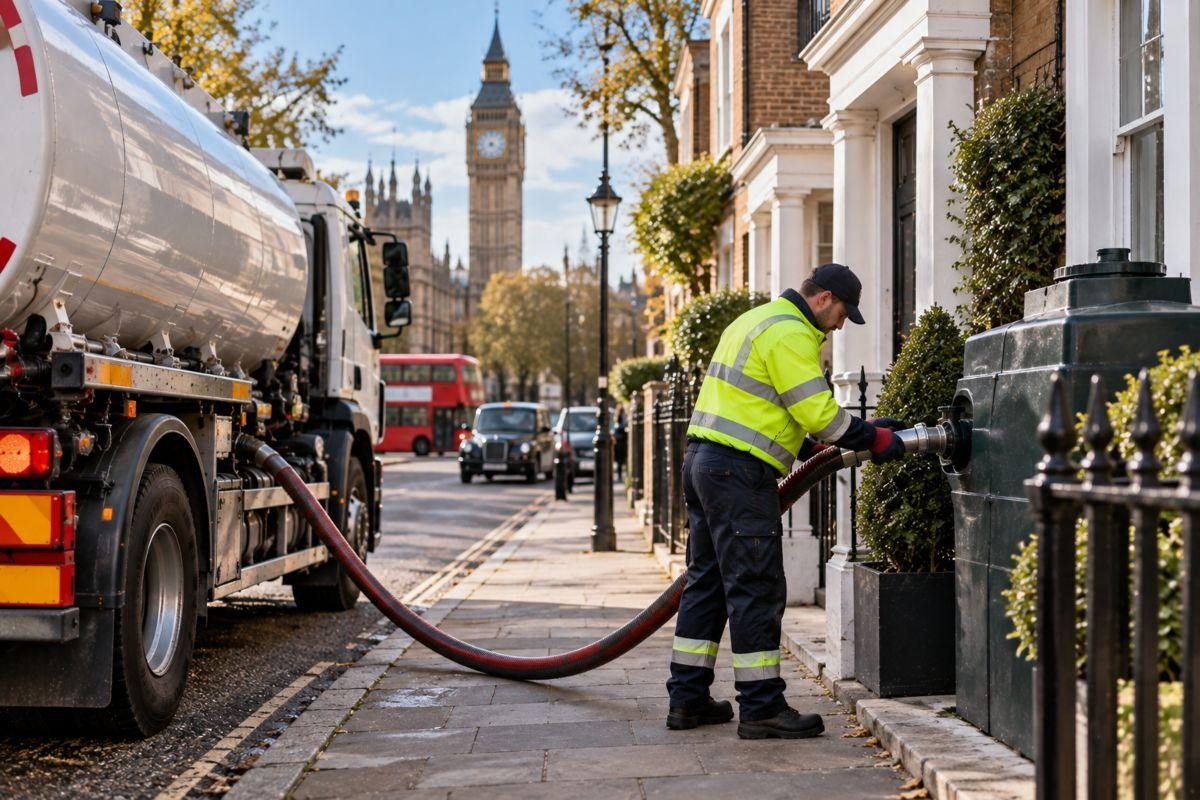

Running out of heating oil or commercial fuel rarely happens at a convenient time. Sudden requirements don’t follow a schedule. It may happen on a cold evening, before an important production shift, or when agricultural machinery needs urgent work. When an unplanned emergency occurs, an unexpected shortage can quickly disrupt comfort, productivity, and essential operations.
That’s why an emergency oil delivery service provides a rapid supply when normal delivery times aren’t suitable. Emergency delivery lets households restore heating, keep generators running and helps businesses avoid lost working hours. However, oil selection varies between HVO biodiesel and other oils. Customers must still provide accurate information and prepare the site properly so the delivery can be completed safely.
Which Places Will Be Supported by Emergency Oil Delivery?
An emergency delivery is arranged when fuel is needed sooner than a standard scheduled order can provide. It may involve same-day, next-day, or priority service, depending on the supplier’s availability, the customer’s location, and the required fuel type.
However, emergency oil deliveries can support places with different scenarios but the same problem. For example, homes that have unexpectedly run out of heating oil, farms with machinery that cannot continue operating, and construction sites with empty generators or plant equipment.
Moreover, scenarios vary, including commercial premises facing production delays, care facilities requiring uninterrupted heating, events using temporary fuel-powered equipment, and businesses relying on backup power systems.
Emergency availability is not always guaranteed because demand, weather conditions, tanker schedules, and delivery access can affect how quickly fuel can arrive.
What is the Logistics Behind Emergency Oil Delivery to reliably handle different types of oil supply?
Unlike routine deliveries, emergency requests demand rapid coordination across multiple operational layers. From dispatching drivers to routing trucks efficiently, every step must align to meet tight timeframes. The designed services help minimise disruption, restore heating quickly and provide reassurance during stressful circumstances.
By combining preparation with responsive service, providers can maintain comfort even when conditions are unpredictable, ensuring households are not left vulnerable during critical moments. The services are:
Understanding Seasonal Demand Fluctuations
Emergency oil supply services operate within a highly seasonal industry where demand can shift dramatically. As a result, during colder months, usage increases significantly, and unexpected cold snaps can push demand beyond typical projections. Companies must anticipate these fluctuations well in advance by monitoring historical usage patterns, weather forecasts and customer trends.
However, maintaining sufficient inventory is critical to this process. Storage facilities are stocked strategically to ensure fuel availability during peak periods, allowing providers to respond to both scheduled and urgent requests without delay.
Managing Inventory and Distribution Networks
Behind every emergency oil delivery is a carefully managed distribution network. The process follows a specific sequence: fuel is transported from refineries to storage terminals and then to delivery trucks. According to statistics, refining expenses account for roughly 15% of the total cost per gallon of residential heating oil, highlighting the importance of efficiency at every stage of the supply chain.
Prioritising Emergency Requests
When multiple service calls come in at the same time, prioritisation becomes essential. That’s why emergency oil delivery providers assess each request based on the emergency, such as whether a home has completely run out of fuel or risks losing heat in extreme weather. This triage approach ensures the most critical situations are addressed first. Therefore, clear communication is crucial.
Coordinating Driver Availability
A successful emergency oil delivery depends on having trained drivers ready to respond at a moment’s notice. Therefore, companies maintain schedules that allow for extended service hours, including overnight and weekend availability.
This approach ensures emergency calls can be addressed regardless of when they occur. Drivers are responsible not only for transporting fuel but also for navigating challenging conditions such as icy roads or limited visibility.
Planning Efficient Delivery Routes
In urgent scenarios, flexibility is key. That way, routes may be adjusted in real time to accommodate new emergency calls or changing conditions. This dynamic approach lets companies stay responsive without sacrificing efficiency, ensuring each delivery is completed as quickly as possible.
Maintaining Reliable Communication Channels
Effective communication between dispatch teams, drivers and customers is essential for smooth operations. Real-time updates help drivers navigate efficiently and allow dispatchers to monitor progress. Through this, customers benefit from clear information about delivery timing and service.
Conclusion
The logistics behind every emergency oil delivery, whether it is white diesel or another oil delivery, very much involve a complex interplay of planning, coordination and execution. From managing the supply chain to dispatching drivers and prioritising urgent requests, every aspect is designed to ensure a fast, reliable response. Careful preparation, clear communication and efficient resource allocation all help meet urgent demands without compromising overall service quality.