
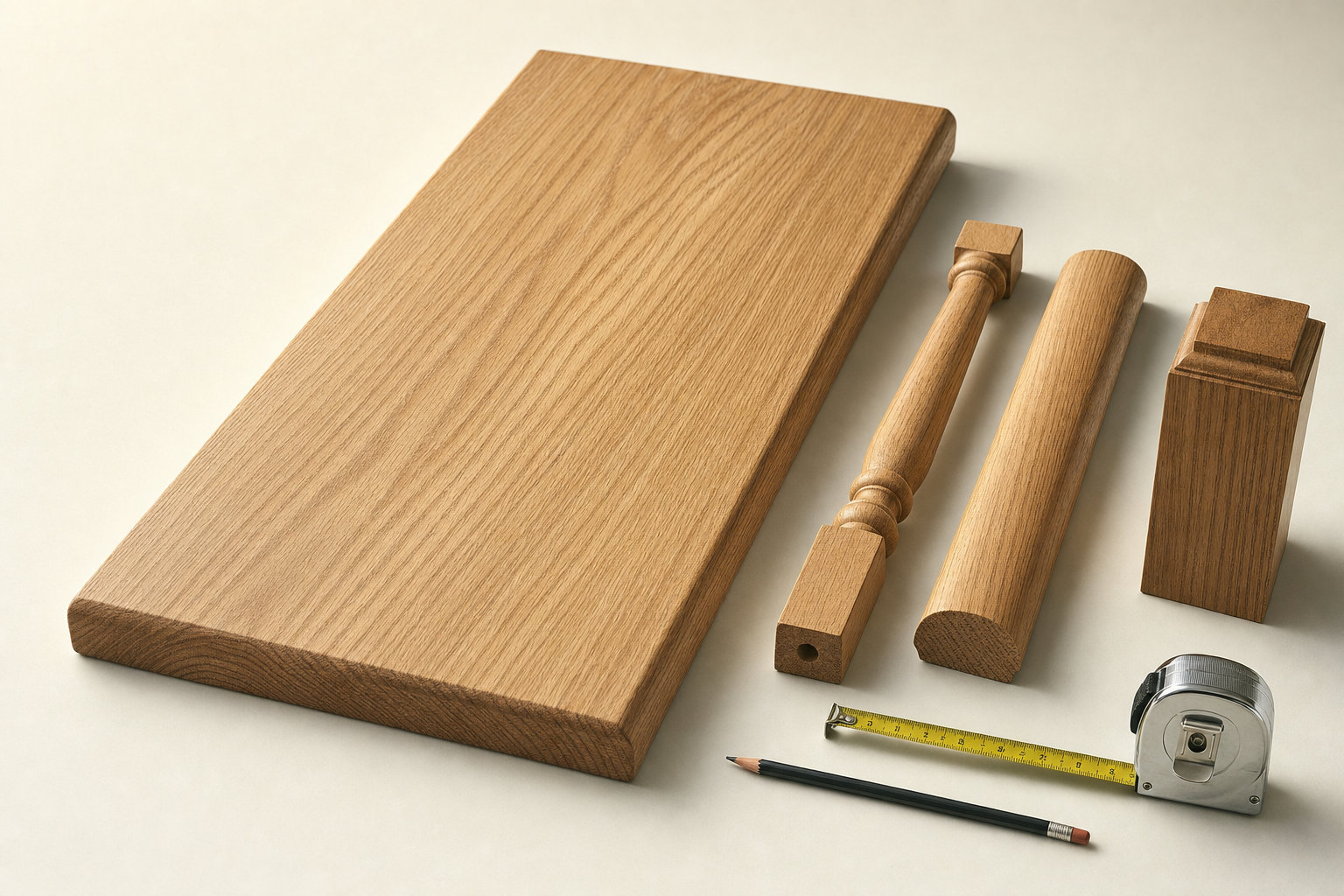

Selecting components for a staircase greatly impacts your home’s safety, comfort, and long-term performance. The right choices can minimise maintenance issues and enhance the overall aesthetic of your living spaces. Careful planning ensures your investment stands the test of daily use and changing needs.
In any home improvement project, the choice of staircase parts is crucial because individual elements influence both daily experience and lasting durability. Whether you are upgrading or refurbishing, your decisions affect safety, comfort underfoot, and maintenance over the years, especially in multi-storey homes. Given the many options available, understanding the function and effect of each part helps you avoid common pitfalls. Thoughtful decisions during planning mean greater efficiency, fewer issues, and a staircase that integrates well with future renovations.
The importance of component selection in renovations
Small specification choices have a significant impact in busy households, where constant use accelerates wear on stair treads, handrails, and balusters. Details such as the angle of risers or grip of nosings can affect noise levels and overall comfort underfoot, particularly for young children or older adults.
In multi-storey homes, durability is even more important, as repeated journeys up and down stairs can highlight any weak points. Prioritising safe, robust materials and choosing finishes that protect surfaces from dents or scratches reduces the frequency of repairs and helps maintain appearance over time.
Planning around physical and practical constraints
Before choosing styles or finishes, it is essential to assess practical factors such as available space and floor-to-floor height. These dimensions restrict options regarding the shape of the staircase and the number of steps required, which in turn influence component selection. Early measurement also highlights any possible conflicts with walls, doors, or nearby renovations.
Anticipating intended foot traffic levels is an important part of decision making. High-traffic areas need robust materials, precise fixings, and careful coordination with other trades. If there are plans for layout changes elsewhere in the home, matching tolerances for staircase parts to new loads can help minimise future disruptions.
Understanding major elements and their functions
Every staircase includes core elements: treads, risers, stringers, newel posts, handrails, and balusters. Each plays a distinct role in ensuring the structure supports weight, remains stable, and offers safe navigation. The dimensions and properties you choose for each component affect how the staircase handles stress and long-term use.
Material and finish choices influence the physical appearance as well as resilience to marks, chips, and wear. For example, solid hardwood treads may resist deep impacts better than veneered types, while metal balusters require different maintenance and cleaning routines. It is important to consider how visible fastenings and fixing points interact with both function and aesthetics.
Balancing visual appeal with safety and standards
Style contributes to the atmosphere of the space, but design decisions must always meet safety guidelines and building regulation requirements. Many risk points, such as slips or uneven step sizing, can be prevented with careful specification and a focus on consistency. Staircase parts should be accurately measured and documented throughout the project to maintain compliance and reduce the likelihood of mistakes.
Visible gaps, loose fixings, and weak supports are common issues in rushed projects. Attention to detail, such as ensuring all units fit precisely and that handrails are at a suitable height, improves both safety and the user experience. Monitoring these elements before installation is essential for a successful result.
The effect of materials and finishes in daily use
Material selection affects everything from underfoot grip to cleaning habits. Dense hardwoods and textured composites may provide better slip resistance, while softer materials can develop dents or scuff marks more easily. Surface finishes such as varnish or oil can alter acoustic properties and influence how easily dust and grime are removed from the staircase.
Finishes also protect staircase components, helping to extend their life. However, in homes where shoes are worn indoors, even durable coatings may need occasional reapplication. Understanding this relationship can help you align your maintenance expectations with your choice of components.
Ensuring compatibility and minimising installation issues
Combining new parts with existing structures requires attention to sizing and fixing methods, as inconsistencies can lead to squeaks or visible movement over time. Small errors in alignment or fit can increase wear, especially where treads meet stringers or where handrail sections join at angles. Matching tolerances and materials helps prevent these issues.
Compatibility is particularly important during retrofitting projects, as older homes may display signs of settlement or irregular walls. Adapting the design to accommodate these features through careful planning and accurate measurement can reduce the risk of early maintenance needs.
Lifecycles, sustainability, and responsible sourcing factors
Choosing durable materials affects both longevity and sustainability. Over time, repairable components and responsibly sourced woods can benefit the environment and your budget. In many cases, refurbishing existing staircase parts rather than replacing them entirely helps preserve character and minimise waste.
Certification, visible indicators of durability, and options for repair or refinishing suggest thoughtful lifecycle planning. This approach offers a way to make home improvement environmentally mindful while maintaining performance and appearance.
Essential checks for smooth project delivery
Accurate measurements, thorough documentation, and early planning for lead times contribute to smoother installation. Coordinating with installers early about access, delivery windows, and fixing requirements helps avoid delays and miscommunication. Clear inspection steps before completion help ensure safety, appearance, and specification standards are met.
Keeping a comprehensive checklist for every stage reduces the chance of errors, particularly where multiple trades are involved. With careful preparation, investment in quality staircase parts can deliver benefits for years to come.