
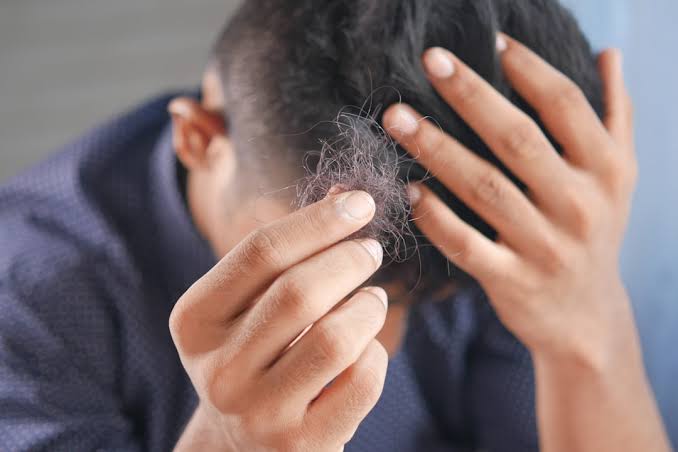

Hair loss is something many men notice gradually.
It might begin with a slightly higher hairline, more scalp becoming visible around the crown or the feeling that hair simply does not look as thick as it did a few years ago.
Because the change is often slow, it can be difficult to know whether you are experiencing normal shedding, male pattern hair loss or something that deserves further investigation.
The enormous number of shampoos, supplements, scalp treatments and online remedies available does not necessarily make that question easier.
The useful starting point is understanding that not all hair loss has the same cause. Some types are heavily influenced by genetics and hormones, while others can appear after illness, periods of stress, significant weight changes, nutritional deficiencies or particular medical conditions.
Understanding which type you are dealing with can make it much easier to decide whether treatment is worthwhile.
Finding hair in the shower or on your pillow does not automatically mean you are going bald.
Hair naturally moves through cycles of growth, transition and shedding, so losing some hairs every day is expected.
What is more useful to pay attention to is a change in your usual pattern.
Perhaps your hairline is gradually moving backwards around the temples. Maybe the crown looks thinner under bright lighting. Alternatively, you may suddenly notice much more shedding than normal over a relatively short period.
Those patterns can point towards different causes.
Gradual thinning over the hairline and crown in men commonly suggests male pattern hair loss, whereas sudden or patchy loss may require a different explanation.
What Is Male Pattern Hair Loss?
Male pattern hair loss is also known as androgenetic alopecia.
It is the most common form of hair loss in men and is influenced by a combination of genetics and hormones.
A hormone called dihydrotestosterone, usually shortened to DHT, plays an important role.
In men who are genetically susceptible to male pattern hair loss, certain hair follicles become increasingly sensitive to DHT. Over time, those follicles gradually shrink and begin producing finer, shorter hairs.
Eventually, some follicles may stop producing visible hair altogether.
This helps explain why male pattern hair loss usually follows a recognisable progression rather than causing equal thinning across every part of the scalp.
The temples, frontal hairline and crown are commonly affected, while hair around the sides and back of the head is often relatively preserved.
Can Stress Really Cause Hair Loss?
Stress can contribute to hair shedding, although it does not usually create the classic pattern associated with genetic male pattern baldness.
Periods of significant physical or psychological stress can sometimes disturb the normal hair-growth cycle.
This can happen following a serious illness, surgery, a major emotional event or substantial weight loss.
The resulting shedding may not become obvious immediately. Hair can begin falling out more noticeably weeks or months after the original event, which can make the connection difficult to recognise.
This type of hair loss can sometimes improve once the underlying trigger has passed.
That is another reason not to assume that every man noticing additional hair shedding automatically needs treatment for male pattern baldness.
Diet Matters, But Supplements Are Not a Cure-All
Hair needs adequate nutrition like every other tissue in the body.
Severe dietary restriction or deficiencies in particular nutrients can contribute to hair problems, so maintaining a reasonably varied and balanced diet matters.
However, this does not mean taking large quantities of “hair vitamins” will necessarily make genetically thinning hair grow back.
If someone has a genuine nutritional deficiency, addressing it can be important. If they do not, repeatedly adding supplements may provide little benefit and can sometimes expose them to unnecessary doses of particular nutrients.
This is particularly relevant during rapid weight loss.
Very restrictive diets can make it more difficult to obtain sufficient energy, protein and micronutrients, and significant weight changes can themselves sometimes be followed by temporary shedding.
A healthier approach is to focus first on a sustainable diet rather than assuming hair loss automatically indicates the need for supplements.
Can Shampoo Stop Male Pattern Baldness?
This is one of the most common areas of confusion.
A good shampoo can clean the scalp, remove excess oil and improve how hair feels. Products that add volume can also make thinning hair appear fuller temporarily.
That is different from treating the biological cause of male pattern hair loss.
If genetically susceptible follicles are gradually shrinking in response to DHT, changing shampoo does not stop that hormonal process.
This does not mean hair-care products are useless. Looking after the scalp and reducing unnecessary breakage can improve the appearance and condition of existing hair.
The important thing is simply having realistic expectations about what a cosmetic product can and cannot do.
What Treatments Are Available for Male Pattern Hair Loss?
There are established treatments that can help some men manage male pattern hair loss.
Two of the best-known options are finasteride and minoxidil.
They work in different ways.
Minoxidil is applied to the scalp and can help stimulate hair growth in some people. Finasteride is a prescription tablet that acts on the hormonal pathway involved in male pattern hair loss.
Finasteride inhibits an enzyme called 5-alpha reductase. This reduces the conversion of testosterone into DHT and therefore reduces the amount of DHT affecting susceptible hair follicles.
“For men with male pattern hair loss, it can be useful to think about treatment sooner rather than waiting until a significant amount of hair has already been lost,” says Ana Carolina Goncalves, Superintendent Pharmacist at Pharmica. “Prescription options such as finasteride for male pattern hair loss can help some men increase hair growth and prevent further hair loss, but treatment needs to be suitable for the individual and the potential side effects should be understood before starting.”
Finasteride is not an instant treatment.
Current product information indicates that approximately three to six months of daily use may be necessary before stabilisation of hair loss becomes apparent. Continued treatment is generally required to maintain the benefit.
This is worth understanding before starting because hair grows slowly. Judging treatment after only a few weeks can create the impression that nothing is happening when there has not yet been enough time to assess the result properly.
Why Starting Earlier Can Matter
Hair-loss treatments generally work with the follicles that remain.
That makes maintaining existing hair an important goal.
People sometimes judge a treatment only by whether it produces dramatic regrowth, but slowing or stabilising progressive hair loss can itself be a meaningful result.
If male pattern hair loss has already progressed considerably, completely restoring a previous hairline may not be realistic with medication alone.
This is one reason men who are concerned about progressive thinning may choose to seek advice earlier rather than waiting until the change becomes much more advanced.
At the same time, treatment is optional.
Male pattern baldness is not dangerous, and there is no medical requirement for every man experiencing it to take medication. The decision often depends on how much the change bothers the individual and whether they feel the potential benefits justify ongoing treatment.
Finasteride Has Important Side Effects to Understand
Prescription treatment should not be presented as though it is risk-free.
Finasteride has recognised potential sexual side effects, including reduced sex drive, difficulty getting or maintaining an erection and ejaculation problems.
UK regulators have also strengthened warnings regarding psychiatric effects.
In May 2026, the Medicines and Healthcare products Regulatory Agency updated its finasteride safety advice following a further review of evidence relating to depression, suicidal thoughts and sexual dysfunction. The MHRA advises prescribers to discuss these risks and check for a history of depression or suicidal thoughts before treatment.
Men taking 1mg finasteride for hair loss are advised to stop taking it and contact a healthcare professional promptly if they develop depression or suicidal thoughts. Anyone developing sexual dysfunction should also seek medical advice.
Some reports describe sexual side effects persisting after treatment has been stopped, which is another reason patients should understand the safety information before deciding whether finasteride is appropriate.
What Happens if You Stop Finasteride?
Male pattern hair loss is an ongoing process, so treatment does not permanently remove the underlying genetic tendency.
Current UK product information explains that continued finasteride treatment is recommended to maintain its benefit.
If treatment is stopped, the beneficial effects typically begin reversing within around six months, with hair returning towards its untreated baseline over approximately nine to twelve months.
That means finasteride is better viewed as an ongoing management option than a short course that permanently fixes hair loss.
The same general principle applies to several treatments for male pattern hair loss: their benefits usually rely on continued use.
When Hair Loss Should Be Checked
Gradual hairline recession can often fit the typical pattern of androgenetic alopecia.
Other forms of hair loss deserve more attention.
For example, consider seeking professional advice if hair loss develops very suddenly, appears in distinct patches, is accompanied by significant itching or inflammation, or follows another unexplained change in your health.
It is also sensible to seek advice if you simply do not know what is causing it.
Starting treatment for male pattern baldness when the real problem has another cause can waste money and delay appropriate investigation.
Does Wearing a Hat Cause Baldness?
No convincing explanation of male pattern hair loss involves ordinary hat wearing.
The condition develops primarily because of genetics and sensitivity of particular hair follicles to hormones such as DHT.
Normal use of hats does not create that genetic sensitivity.
The same applies to several other popular myths.
Male pattern baldness is not simply caused by washing your hair too frequently, having an oily scalp or using ordinary styling products.
Poor treatment of the hair can contribute to breakage or damage, but breakage is different from the progressive follicle miniaturisation involved in androgenetic alopecia.
Can Lifestyle Changes Reverse Hair Loss?
Healthy habits are worthwhile, but expectations need to be realistic.
Sleeping well, managing stress, avoiding smoking, eating adequately and maintaining general health can all support wellbeing and normal hair function.
They cannot change the genes responsible for male pattern hair loss.
This distinction is important because men can end up blaming themselves for hair loss or spending significant amounts of money chasing lifestyle “fixes” for something that is largely genetically determined.
A healthy lifestyle and evidence-based treatment are not competing approaches.
You can look after your general health while also deciding whether a specific hair-loss treatment is appropriate.
Is It Worth Treating Hair Loss?
That is ultimately a personal decision.
Some men are barely concerned by thinning hair. Others find it has a significant effect on confidence and how they feel about their appearance.
Neither response is more correct than the other.
What matters is making the decision with realistic expectations.
There is no guaranteed treatment that restores every lost hair. Established medicines can help some men slow further loss or improve growth, but results vary and treatment usually needs to continue to maintain its effect.
Cosmetic approaches can also be useful for men who do not want medication, from changing hairstyle and keeping hair shorter to scalp micropigmentation or, for suitable candidates, hair transplantation.
The appropriate option depends on the individual.
Frequently Asked Questions
At what age does male pattern baldness start?
There is no single age. Some men begin noticing changes relatively young, while others retain most of their hair much later in life. Genetics strongly influence when and how quickly male pattern hair loss progresses.
Does a receding hairline always mean I will go bald?
Not necessarily. Hair-loss patterns and rates of progression vary considerably. Some hairlines recede and then change relatively slowly, while others continue to thin more noticeably.
How quickly does finasteride work?
UK product information indicates that approximately three to six months of daily treatment may be required before stabilisation of hair loss becomes apparent.
Does taking more finasteride make it work faster?
No. Current product information for the 1mg hair-loss formulation states that there is no evidence increasing the dose improves efficacy.
Is hair loss always permanent?
No. Some types of temporary shedding can improve after the underlying trigger resolves. Male pattern hair loss, however, is generally progressive without treatment.
The Bottom Line
Hair loss is common, but the reason behind it matters.
Male pattern hair loss develops because genetically susceptible follicles gradually respond to hormones such as DHT, whereas other forms of shedding can be linked to illness, stress, nutritional problems or other health conditions.
That is why choosing a product should not necessarily be the first step.
First establish what is likely to be causing the change. Then consider whether you actually want treatment, what evidence supports the available options and what risks or limitations come with them.
For men who do choose to manage male pattern hair loss, established treatment options are available.
The important thing is approaching them with realistic expectations rather than expecting any tablet, shampoo or supplement to reverse years of hair loss overnight.