
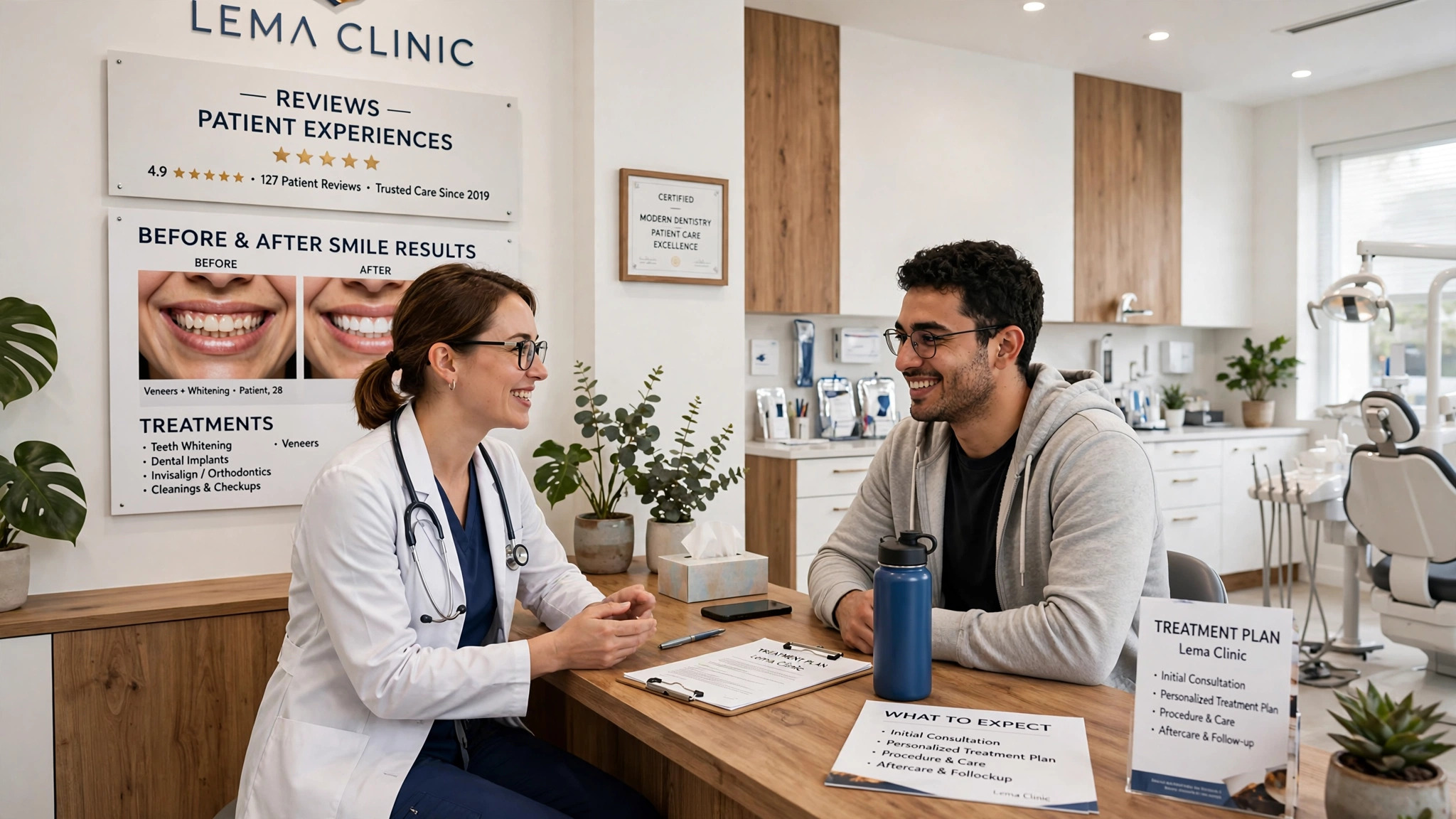

Choosing a dental clinic abroad is a significant decision. Price may influence the initial search, but most patients also want clear communication, professional treatment planning, dependable aftercare and realistic information about the results they may achieve.
Reading detailed Lema Clinic reviews can help prospective patients understand the treatment journey from the first enquiry to the final appointment. Reviews are especially useful when they describe specific procedures, explain how the clinical team communicated and discuss what happened after treatment.
Lema Dental Clinic is based in Istanbul and provides cosmetic, restorative and general dental treatments. Its website lists services including dental implants, veneers, crowns, bridges, teeth whitening, braces and root canal treatment.
Why Patient Reviews Matter When Choosing a Dental Clinic
Dental treatment is personal. Two people receiving similar procedures may have different clinical requirements, expectations and recovery experiences. This is why reviews should not simply be treated as star ratings. Their real value lies in the details.
A helpful review might explain:
- How quickly the clinic responded to questions
- Whether the treatment plan was easy to understand
- How the patient felt during the procedure
- Whether costs and appointment times were communicated clearly
- What support was available after treatment
- Whether the final result matched the agreed plan
Detailed accounts can reveal more than brief comments such as “great service” or “excellent results.” They give prospective patients a clearer idea of the clinic’s process and help them prepare relevant questions before making a commitment.
Lema Clinic’s patient-stories section presents treatment experiences and review-related content from previous visitors. The clinic also describes serving international patients, which makes communication, travel arrangements and follow-up support particularly important areas to investigate.
Common Themes to Look for in Lema Clinic Reviews
Communication Before Arrival
For an international patient, the treatment journey normally begins online. The first conversation may involve sharing photographs, explaining dental concerns and discussing possible treatment options.
At this stage, patients should look for clear rather than overly confident answers. A preliminary conversation can provide general direction, but a final diagnosis usually depends on an in-person dental examination and appropriate imaging.
Useful reviews often mention whether the clinic:
- Answered questions in understandable language
- Explained which information or records were required
- Distinguished an initial estimate from a confirmed treatment plan
- Provided a clear appointment schedule
- Discussed the expected length of stay
Good communication before travel can reduce confusion, although it should never replace a complete clinical assessment.
Consultation and Personalised Treatment Planning
Every suitable dental journey should start with an assessment of the patient’s teeth, gums, bite and general oral health. Even when someone is mainly interested in improving the appearance of their smile, underlying dental problems may need attention first.
The NHS advises patients to understand why a treatment is recommended, what it involves, its potential risks and benefits, and the likely outcome before proceeding.
When examining reviews, look for evidence that patients were given time to discuss:
- Alternative treatment options
- The number of teeth involved
- The proposed materials
- The expected appearance of the result
- The treatment schedule
- Possible limitations or complications
- Aftercare requirements
A responsible consultation should help the patient make an informed decision rather than pressure them into choosing the most extensive option.
Technology and the Clinical Environment
Modern equipment can support diagnosis, treatment planning and laboratory communication, but technology alone does not guarantee a successful result. The knowledge of the dental professionals and the suitability of the treatment remain essential.
Lema Clinic states that its facility uses technologies such as digital systems, 3D printing and laser dentistry. Its website also describes a large clinical environment designed to provide multiple treatments in one location.
Patient reviews can provide additional context by describing whether the clinic appeared organised, hygienic and professionally managed. Reviews may also mention waiting times, appointment coordination and how clearly each stage of treatment was explained.
Comfort During Treatment
Some people feel nervous about dental appointments, particularly when receiving treatment in another country. Supportive communication can make a considerable difference to the experience.
Reviews may describe how the dental team handled discomfort, answered questions during appointments or responded when the patient needed a break. These details can be valuable for anyone with dental anxiety.
However, claims that a major procedure is completely painless should be approached cautiously. Comfort varies between individuals, and temporary sensitivity or discomfort may occur after many dental treatments. Patients should ask what pain-management options are available and what symptoms would require professional attention.
Appearance and Function of the Final Result
Cosmetic dental treatment is not only about selecting a bright shade. Tooth proportions, facial features, gum position, bite and personal preferences can all influence the final design.
When reading reviews about veneers, crowns or smile makeovers, pay attention to whether patients mention being involved in decisions about:
- Tooth shape and size
- Colour and translucency
- The appearance of temporary restorations
- Bite comfort
- Requested adjustments
- The naturalness of the final smile
Before-and-after photographs may be useful, but they should be treated as examples rather than promises. Lighting, camera angles and editing can affect how results appear online. Furthermore, every patient begins with a different dental condition.
Treatments Frequently Discussed by Dental Patients
Dental Implants
Dental implants may be considered when one or more teeth are missing. Treatment can involve several stages, including assessment, implant placement, healing and fitting the final restoration.
Patients considering implants should ask about bone condition, the proposed implant system, healing time and what happens if additional procedures are required. Reviews are most helpful when they describe the complete process rather than only the day of surgery.
Veneers and Crowns
Veneers and crowns are different restorations, even though both can change the appearance of a smile. Their suitability depends on the condition of the existing teeth and the patient’s functional needs.
Prospective patients should ask how much natural tooth structure may need to be prepared, which material is being proposed and why that option is appropriate. They should also understand the long-term maintenance requirements.
Teeth Whitening
Professional whitening can improve the appearance of certain types of tooth discolouration. It does not, however, change the colour of existing crowns, veneers or fillings.
A consultation can help identify whether whitening is suitable and whether other dental concerns should be managed beforehand.
Root Canal Treatment
Root canal treatment may be recommended when the tissue inside a tooth becomes inflamed or infected. Its purpose is different from cosmetic treatment, and diagnosis should be based on clinical findings.
Patients should ask how the tooth will be restored after treatment and whether a crown or another form of protection may be recommended.
How to Evaluate Reviews More Critically
No clinic should be selected on the strength of a few enthusiastic comments. A more reliable approach is to compare detailed experiences across several sources.
Look for reviews that identify the treatment received and explain the timeline. Check whether the reviewer discusses both positive aspects and temporary difficulties. A balanced review is often more informative than one containing only general praise.
It is also worth considering when the review was published. Clinics, teams and procedures can change, so recent experiences may be more relevant to the service currently being offered.
Negative feedback should not automatically rule out a provider. Instead, examine the nature of the concern and how the clinic responded. A professional, constructive response may reveal how the organisation handles problems.
Most importantly, remember that testimonials describe individual experiences. They cannot establish that another patient will receive the same result.
Questions to Ask Before Booking Treatment
Before confirming an appointment, request clear answers to the following questions:
- Who will perform each part of the treatment?
- What examination and diagnostic imaging will be required?
- Is the proposed plan final, or could it change after an in-person assessment?
- What materials and systems will be used?
- Are there reasonable alternatives to the proposed procedure?
- What are the main risks, limitations and recovery expectations?
- How many appointments and travel days will be necessary?
- What is included in the quoted price?
- Who should be contacted if a problem develops after returning home?
- How will records and treatment information be provided?
Patients travelling abroad should pay particular attention to aftercare. NHS guidance recommends understanding possible side effects and complications, deciding how follow-up care will be coordinated, allowing an appropriate recovery period before travelling and checking whether suitable insurance is available.
Final Thoughts
Lema Clinic reviews can provide a useful introduction to the experiences of people who have travelled to Istanbul for dental treatment. The most valuable accounts discuss communication, consultation, comfort, treatment stages and aftercare rather than focusing only on appearance or price.
Reviews should form one part of a broader decision-making process. Prospective patients should also examine the qualifications of the professionals involved, request a written treatment plan and ask direct questions about risks, alternatives, costs and follow-up arrangements.
A well-informed patient is better prepared to set realistic expectations and participate actively in treatment decisions. Individual suitability and outcomes will always vary, so personalised advice from a qualified dental professional remains essential.
Read more: Bonsai Apple Trees and Sustainable Plant Care: A Growing Trend in European Homes