

Putting your home on the market is a big step, and first impressions count. Many sellers wonder where to spend their money, and local estate agents in Rushden will often say the same thing: small, sensible improvements usually beat expensive overhauls. The aim is not to rebuild your home but to present it in its best light, fix obvious problems and help buyers picture themselves living there.
Start with Kerb Appeal
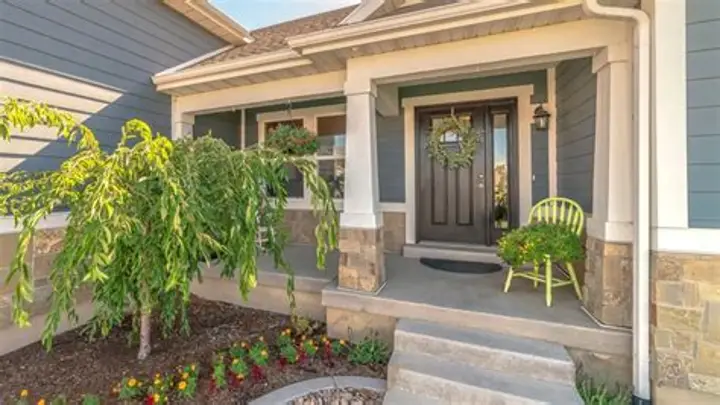
Buyers form an opinion before they step through the door, and many now judge a property from online photographs and the view from the street. A tidy exterior suggests a well-cared-for home.
Simple jobs go a long way:
- Clear weeds, trim hedges and mow the lawn
- Pressure wash the driveway, patio and paths
- Repaint or refresh the front door, and polish the house number and door furniture
- Repair damaged fencing, gates or guttering
- Add a few potted plants for colour
None of this costs much, yet it sets a positive tone for the viewing.
Declutter, Clean and Repaint
Fresh, neutral decor is one of the most cost-effective ways to help a home appeal to a wide range of buyers. Strong colours and bold wallpaper are a matter of taste, and buyers can find it hard to look past them.
Repainting walls in soft, neutral shades makes rooms feel brighter and larger. Take care of the details too: fill small cracks, touch up scuffed skirting boards and replace tired sealant in kitchens and bathrooms.
Decluttering matters just as much. Pack away surplus furniture, personal photographs and crowded shelves. Rooms that look spacious and orderly photograph better and feel more welcoming. If storage is a problem, consider hiring a temporary storage unit while your home is on the market.
Fix the Things Buyers Will Notice
Buyers and their surveyors will pick up on visible defects, and small problems can raise doubts about the condition of the whole property. A mortgage valuation, which is the lender’s check that the property is worth the loan, and a survey can both flag issues that put a sale at risk.
Before listing, consider fixing:
- Dripping taps, loose door handles and sticking windows
- Damp patches or mould, once the cause has been properly addressed
- Cracked tiles, broken light fittings or faulty switches
- Any outstanding repairs from previous inspections
If you are unsure about the condition of the roof, wiring or boiler, a qualified tradesperson can advise. Having receipts, guarantees and certificates ready, such as those for boiler servicing or electrical work, reassures buyers and can help the conveyancing process (the legal work of transferring ownership) run more smoothly.
Think About Energy Efficiency
Buyers are increasingly interested in running costs. Every property sold in England and Wales needs a valid Energy Performance Certificate (EPC), which rates a home from A (most efficient) to G (least efficient). Cheap improvements can help your rating and make the home more appealing, such as LED bulbs, draught-proofing and extra loft insulation where appropriate.
Be cautious about large investments such as new heating systems or solar panels purely to sell, as you may not recover the cost in the sale price. Funding and rules for energy upgrades change, so check GOV.UK for current information.
Be Selective With Big Projects
Full kitchen or bathroom refits are rarely worth doing just before a sale. Tastes differ, and buyers often prefer to choose their own. A thorough clean, new cupboard doors or updated handles may be enough to freshen tired rooms.
Before spending anything, set a realistic budget and ask for a few opinions about what is likely to appeal in your local market. Compare the cost of each improvement with the benefit it might bring, and remember that nothing is guaranteed.
Conclusion
The best home improvements before selling are usually the simplest: boosting kerb appeal, decluttering, repainting in neutral shades, fixing visible faults and being open about energy efficiency. Larger projects need careful thought, as they do not always pay for themselves.
Start by walking through your home as a buyer would, list what you notice and tackle the quickest, cheapest jobs first. With a little planning and honest advice, you can present your property confidently and make informed decisions about what is truly worth doing.