
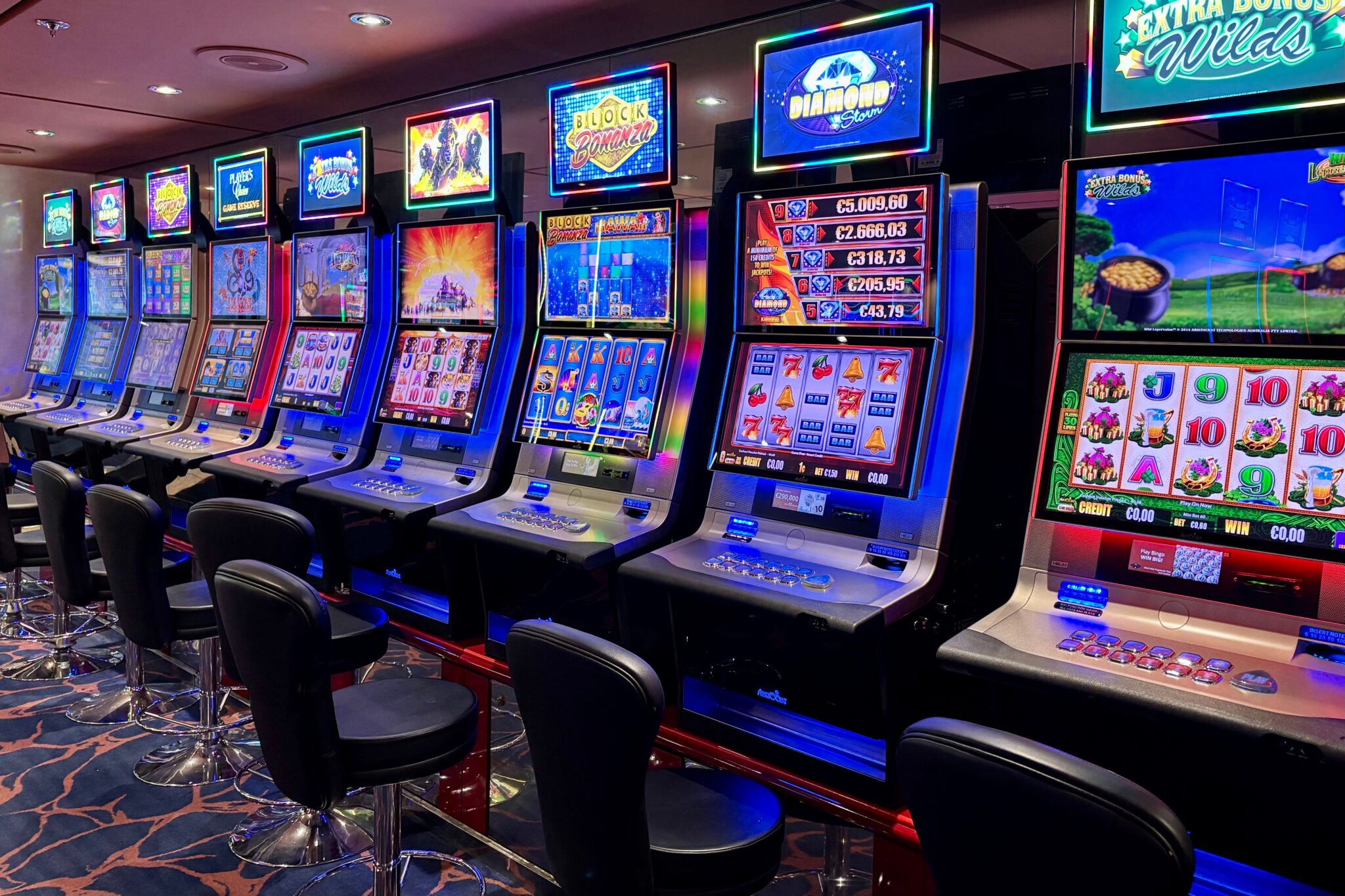

A progressive jackpot is a curious piece of software. It has to accept contributions from thousands of concurrent players across dozens of separate businesses, hold one agreed number that everyone sees updating live, decide who wins it and when, and never be wrong about any of it. Get it wrong and you either pay the same prize twice or fail to pay it at all.
The engineering behind that is more interesting than the game sitting on top of it, and almost nobody writes about it.
Three different things called a jackpot
The word covers three quite distinct architectures.
A standalone jackpot lives inside one game on one operator, a counter in the same database as everything else, and the prize stays modest because only that game’s players feed it. A local or in house progressive pools across several games belonging to a single operator. Still one company and one system of record, but now several game servers are writing to a shared counter.
A network or wide area progressive is the hard one. The pool spans every operator running that game, which might be forty brands across a dozen jurisdictions. The counter does not belong to any of them. It lives with the game provider, and this is why the headline online jackpot slots reach eight figures while an in house prize rarely passes six.
The pool and the seed
Every qualifying stake is split. A defined percentage, commonly somewhere between one and five percent, is diverted from the game’s return and routed to the jackpot pool instead. The rest funds the base game as normal.
The prize does not start at zero. When a jackpot is won, the counter resets to a seed value, which somebody has to fund. On network games this is usually the provider, drawn from a reserve accumulated during the previous cycle, and it is why the reset figure is always lower than the amount you saw before it dropped. Part of every contribution has been quietly building the next seed rather than the current prize.
Larger providers now de-risk this, insuring the liability so that a jackpot landing early in a cycle leaves nobody exposed. That is a finance decision rather than an engineering one, but it shapes how conservatively the rates are set.
Keeping one number in sync across forty operators
This is the genuinely difficult part.
The jackpot counter is a separate service from the game servers. Each spin generates a contribution message that the game server publishes, and the jackpot controller consumes those messages and increments the pool. The connection is asynchronous, because making every spin wait for a round trip to a central jackpot service before showing a result would add latency to every game on the network.
That asynchrony creates the usual distributed systems problems. Messages arrive out of order, duplicate after a retry, or vanish when a connection drops. Contribution messages therefore carry unique identifiers and the controller is idempotent, so processing one twice has no effect. Reconciliation jobs run continuously, comparing what each operator recorded against what the controller believes it received.
The ticker you see climbing on screen is not the authoritative figure. It is a client side projection, extrapolating from the last known value at the observed rate of increase, refreshed every few seconds. The real number lives in one place. What is on your screen is an educated guess that happens to be very close.
Deciding who wins
There are two broad models, and the difference matters.
Symbol triggered jackpots resolve inside the game. A combination lands on the reels, the game server recognises it and claims the prize from the controller. Simple and visible, and it needs a lock so two players hitting the trigger milliseconds apart cannot both be paid.
Independently drawn jackpots resolve outside the game. Every qualifying spin enters a separate draw, run on the same certified generator infrastructure and weighted by stake. Reel outcome and jackpot outcome are unrelated events happening at once, which is why a jackpot sometimes lands on a spin that otherwise returned nothing.
The UK Gambling Commission regulates this directly. Its remote technical standards include a dedicated standard for progressive jackpot systems, sitting alongside the requirements governing random outcomes and interrupted gambling, and covering how the pool must be displayed and what happens if a system fails mid game.
The must drop mechanic
Games advertising a prize that must fall before a certain time or value use a neat trick. At the start of each cycle the system draws a hidden target, either a value between the seed and the cap or a moment before the deadline, and keeps it secret. The jackpot drops on the first qualifying spin that crosses it.
From the player’s side it looks like a countdown. Underneath it is a single draw made long before anyone sat down, which is why these prizes land at apparently arbitrary moments rather than clustering at the deadline.
Paying it out
A win above a certain threshold does not simply credit the balance. The controller locks the pool as claimed, the counter resets to seed, and the claim enters manual verification.
Logs are pulled, the winning spin is replayed from the recorded generator state, and the player goes through enhanced identity checks before anything moves. This is why large wins are announced within minutes but paid over days. The technology settled it instantly. The compliance around it did not.
What the plumbing means for a player
Two practical things. First, contributions come out of the return to player figure, so a progressive game usually has a lower base return than an equivalent game without one. You are paying for the lottery ticket out of your regular winnings.
Second, many network jackpots only qualify above a minimum stake, or scale your draw probability with stake size. Playing below that threshold on a progressive title means funding a prize you are not eligible for, which is the single most common mistake people make with these games.
For more on the infrastructure side of consumer platforms, our coverage of current developments in cloud and platform technology looks at how similar distributed patterns turn up well outside gaming.